The Evolution of Underwear: From Concealment to Self-Expression, the Changing Demands of the Times
Sep 10,2025 | SLIQIA
The Evolution of Underwear: From Body Coverage to Self-Pleasure, The Changing Demands of the Times
Underwear, the garment closest to our skin, has a development history that resembles a vivid social and cultural narrative. It profoundly reflects changes in people's lifestyles, aesthetic concepts, and perceptions of the human body across different eras. From its initial function of simply covering the body and keeping warm, to now integrating comfort, health, fashion, and personal expression, underwear has undergone countless transformations and innovations throughout history. Consequently, people's demands for underwear have also undergone earth-shaking changes.
Ancient Times: From Body Coverage and Warmth to Initial Shaping and Decoration
The origin of underwear can be traced back to ancient times, when people used simple materials such as leaves and animal skins to cover their bodies, primarily for protection against the elements and physical safeguarding. With the advancement of civilization, rudimentary forms of underwear with regional characteristics gradually emerged in different areas.
In ancient Egypt, women wore a "kilt-like" loincloth, which can be regarded as an early form of underwear with basic functions. In ancient Greece, women wore loose robes called "chitons," underneath which they paired simple corsets. These corsets began to serve an initial shaping function, providing a degree of support and coverage for the chest to enhance the beauty of the body's curves.
Ancient Chinese underwear also has a long history, with its earliest name being "xieyi" (intimate clothing). During the Han Dynasty, "baofu" (chest cover) and "xinyi" (heart clothing) were commonly made from plain-woven silk. They were secured with "hooked shoulders" and a "crotch band," featuring an exposed back without a rear panel. Most of them were embroidered with patterns centered on the theme of "love" using colored threads. In the Wei and Jin Dynasties, "liangdang" (double-sided underwear) appeared, which had a rear panel and could cover both the chest and back. It was mostly made of thick, colorful brocade with cotton lining. Originally a garment of nomadic peoples in northern China, it later spread to the Central Plains. During the Tang Dynasty, influenced by the open social atmosphere and unique clothing styles, women favored "half-exposed chest dresses." To match this style, the strapless underwear "hezi" came into being. "Hezi" was usually made of "woven fabric" that was stiff, slightly elastic, and thick to the touch. By tying two bands under the chest, it ensured the upper part of the chest remained upright, meeting women's needs for chest shape when wearing low-cut dresses. At this time, the decorative nature of underwear and its adaptability to matching outerwear became more prominent.
Overall, ancient underwear gradually evolved from simply covering the body and keeping warm to providing initial shaping and decoration. It also began to carry certain cultural connotations and emotional expressions. However, there was still a significant gap between ancient and modern underwear in terms of comfort and body fit.
Medieval to Modern Times: Dominance of Shaping Needs and the Emergence of Health Awareness
In medieval Europe, corsets became a fashion staple for noble women. To create an hourglass figure with a slender waist, corsets were made using rigid materials such as whalebone and steel wires, tightly constricting women's bodies. Although this extreme pursuit of physical beauty visually created the elegant posture admired by society at that time, it caused great harm to women's bodies. Long-term wear led to problems such as skeletal deformation and difficulty breathing. Nevertheless, under the social norms of the time, women had to endure this pain to conform to the standards of beauty.
By the end of the 19th century, with social development and ideological progress, people began to rethink this way of dressing that excessively constrained the body. Some feminists and health advocates called for the abandonment of corsets and the pursuit of a more natural and healthy lifestyle. Meanwhile, the Industrial Revolution brought innovations in textile technology, and new fabrics and production techniques provided possibilities for the transformation of underwear.
In 1914, Mary Phelps Jacob, a New York socialite, created the first modern brassiere using two handkerchiefs and ribbons, and applied for a patent. It is regarded as the originator of modern underwear. This brassiere broke away from the constraints of traditional corsets and focused more on comfortable support for the chest. Upon its launch, it was immediately favored by women of that era. Since then, underwear has begun to develop in a direction that is more comfortable and body-hugging.
In the 1920s, the feminist movement flourished, and women's social status gradually improved. Their lifestyles and attitudes towards clothing also underwent tremendous changes. Modern women cut their hair short, listened to jazz, wore men's-style clothing and straight-cut garments, pursued a flat-chested look, and preferred underwear that did not emphasize body curves. The change in underwear style during this period was not only a shift in aesthetic concepts but also an external manifestation of women's pursuit of equality and freedom.
Mid-20th Century: The Golden Age of Functional Segmentation and Fashion Integration
In the 1930s, as more and more women entered the workforce, the pace of life accelerated, and the demand for functional underwear became more diversified. The emergence of new materials such as nylon made underwear lighter and more durable; the addition of underwires further enhanced the shaping effect of underwear, better highlighting women's curvilinear beauty. At the same time, American underwear companies began to classify underwear into different cup sizes. This innovative measure greatly improved the fit of underwear and met the physical needs of different women.
In the 1940s and 1950s, the "New Look" series designed by fashion designer Christian Dior became popular worldwide, emphasizing women's curvy figures. To match this outerwear style, supporting tight underwear also developed, and conical bras became popular, particularly favored by the glamorous star Marilyn Monroe. During this period, underwear was not only a functional garment but also an indispensable part of fashion matching. It echoed the style of outerwear, jointly shaping the charming image of women.
In 1979, three female celebrities including Lisa Lindahl invented the sports bra, marking the further deepening of functional segmentation in underwear. With the improvement of people's health awareness and the popularization of sports and fitness, sports bras were specially designed to address the characteristics of women's bodies during exercise, such as chest vibration and sweat absorption, providing better protection and comfort for women during physical activity.
Contemporary Era: Diverse Pursuits of Comfort, Health, and Individuality
Entering the 21st century, social culture has become more diversified, and people's demands for underwear have become richer and more personalized. With the rise of the "she economy," women's spending power has continued to increase. Their requirements for underwear are no longer limited to functionality and fashion but also place greater emphasis on comfort and the impact on physical health.
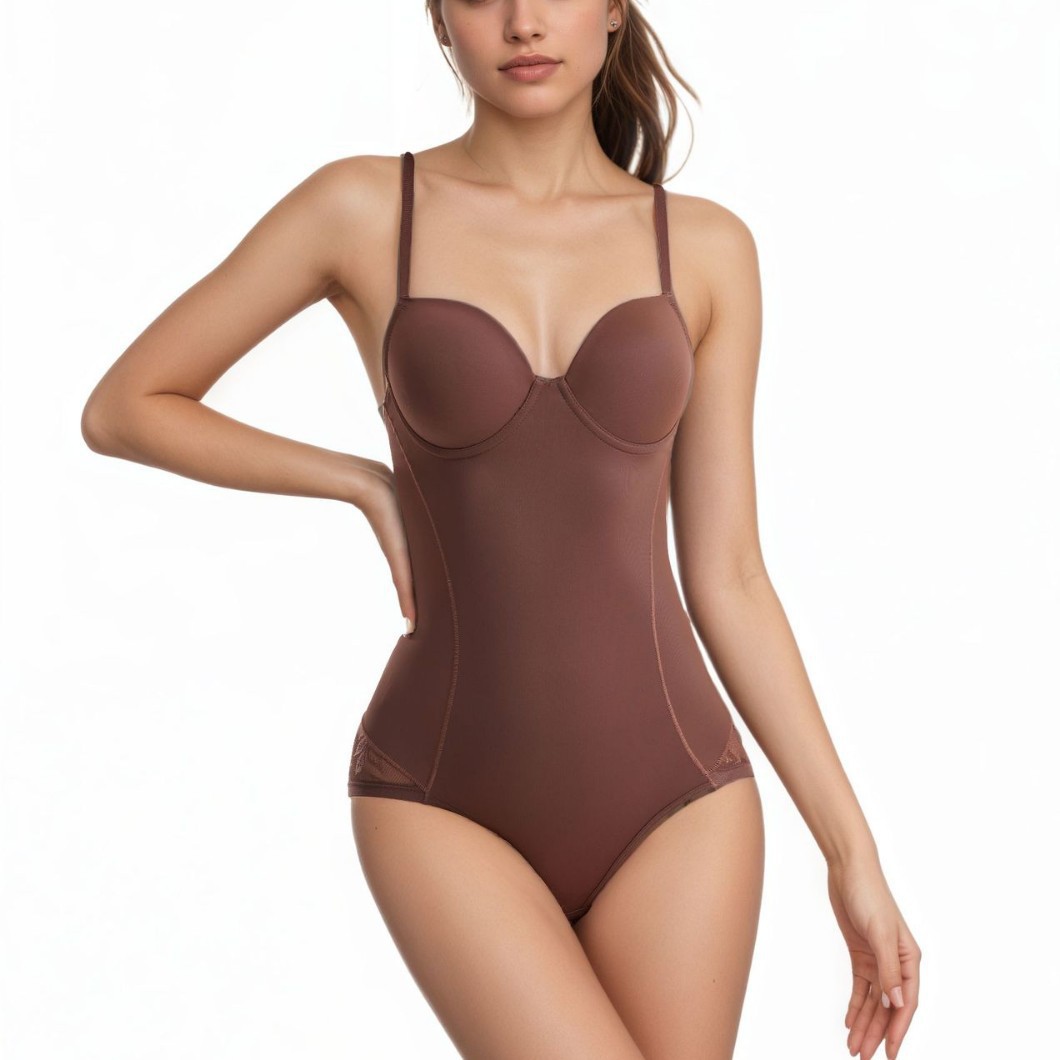
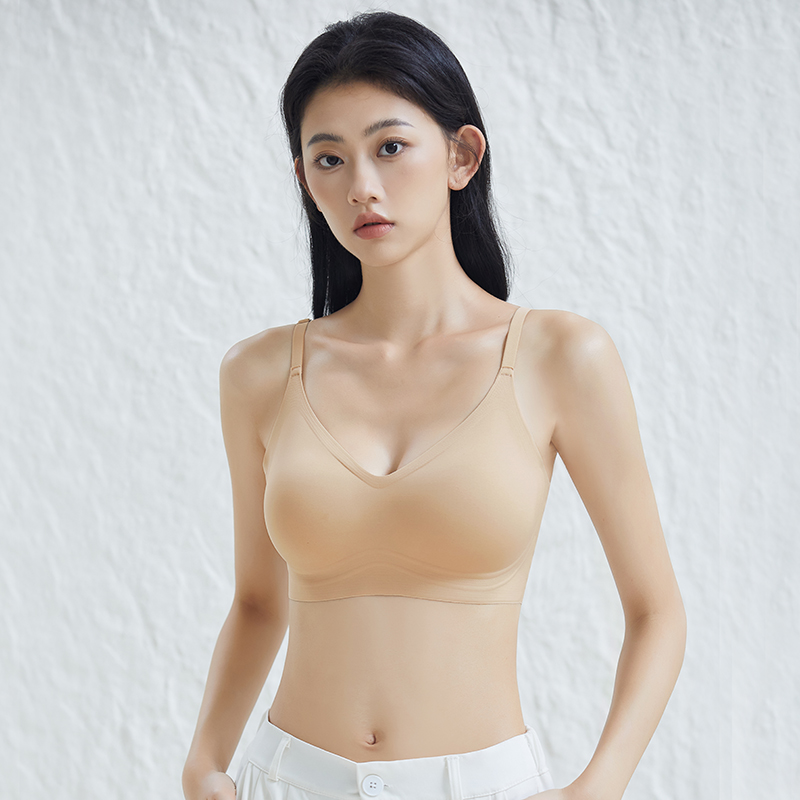
The popularity of "wireless bras" is a typical example of this trend. Wireless bras are made of soft, elastic fabrics and abandon the traditional underwire design, reducing pressure on the chest and allowing women to experience unprecedented comfort when wearing them. At the same time, "size-free bras" have also emerged. Through unique pattern design and elastic materials, they can adapt to changes in the chest shape of women with different body types, realizing multi-purpose wear and meeting women's pursuit of comfort and convenience in underwear.
In addition, consumers have become more discerning in their choice of underwear materials, with natural, environmentally friendly, and non-irritating materials becoming a market trend. For example, natural fiber fabrics such as bamboo fiber, Tencel, and modal are loved by a large number of consumers due to their good breathability, moisture absorption, and softness. These materials are not only comfortable to wear but also skin-friendly, conforming to modern people's pursuit of a healthy lifestyle.
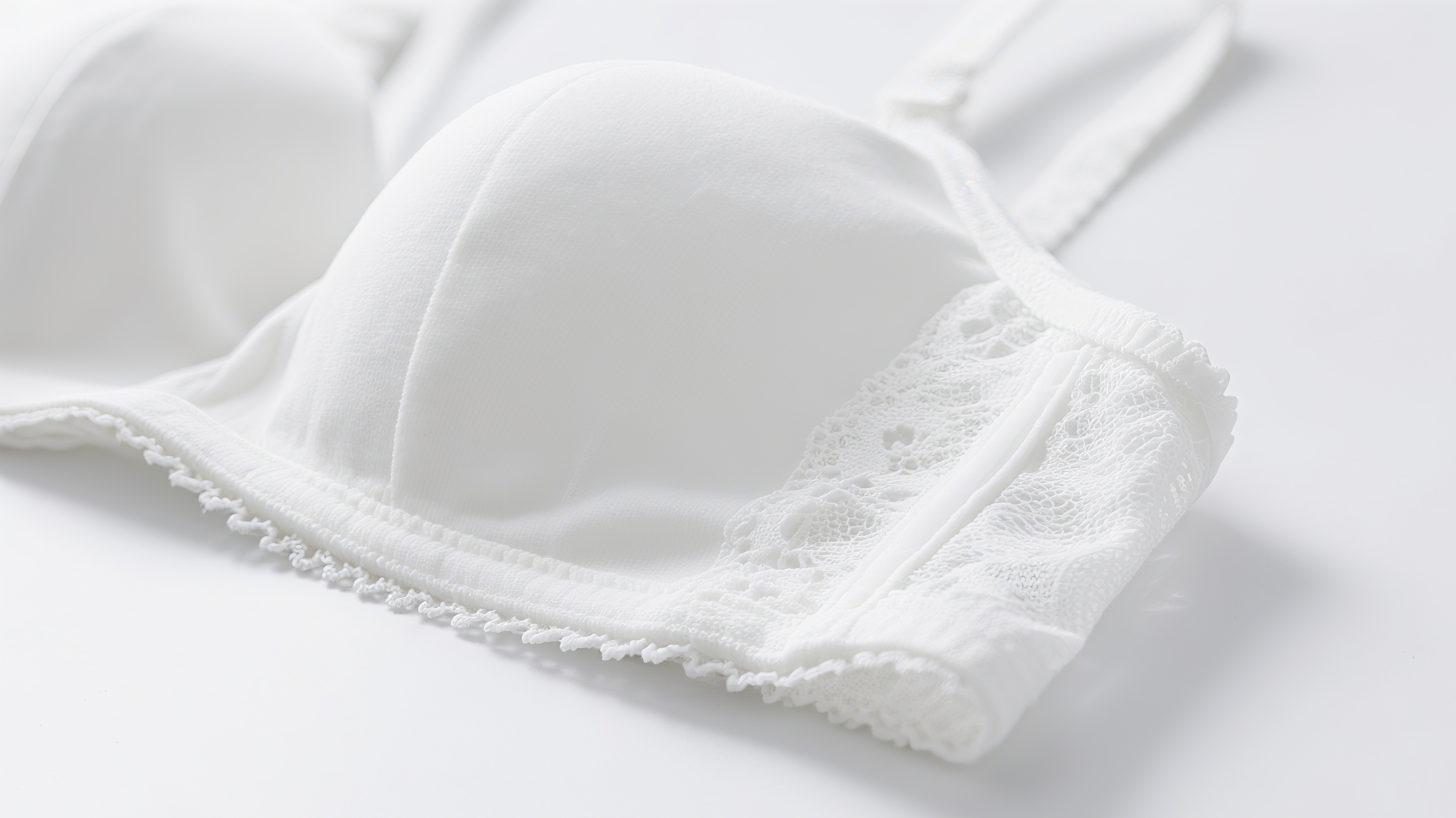
In terms of individuality, younger consumers attach particular importance to the style and design of underwear, tending to choose products with unique designs that match their personal aesthetics. Underwear is no longer just a private item hidden under outer clothing but a way for women to express their individuality. Some brands have launched underwear with creative patterns, personalized cuts, or special functions (such as antibacterial and odor-resistant features) to meet the personalized needs of different consumers. At the same time, consumers have also put forward higher requirements for the matching and mix-and-match capabilities of underwear, hoping to showcase their personal style through underwear matching. The boundary between underwear and outerwear has become increasingly blurred, and the fashion trend of "underwear as outerwear" reflects this trend to a certain extent.
From the body coverage, warmth retention, and initial shaping in ancient times, to the pursuit of extreme physical beauty in the Middle Ages, and then to the modern diversified demands for comfort, health, and individuality, the development history of underwear has witnessed the progress of human society and the changes in people's concepts. In the future, with the continuous advancement of technology and the sustained development of social culture, underwear will undoubtedly continue to evolve to meet people's increasingly diversified and personalized needs, becoming an intimate companion that integrates technology, fashion, and health.
发表评论